



Benjamin Greene · Angela Leung
Direct Ceramist On Targeted Translucency
Benjamin GreeneDentist & Owner · Kirkland Family Dentistry
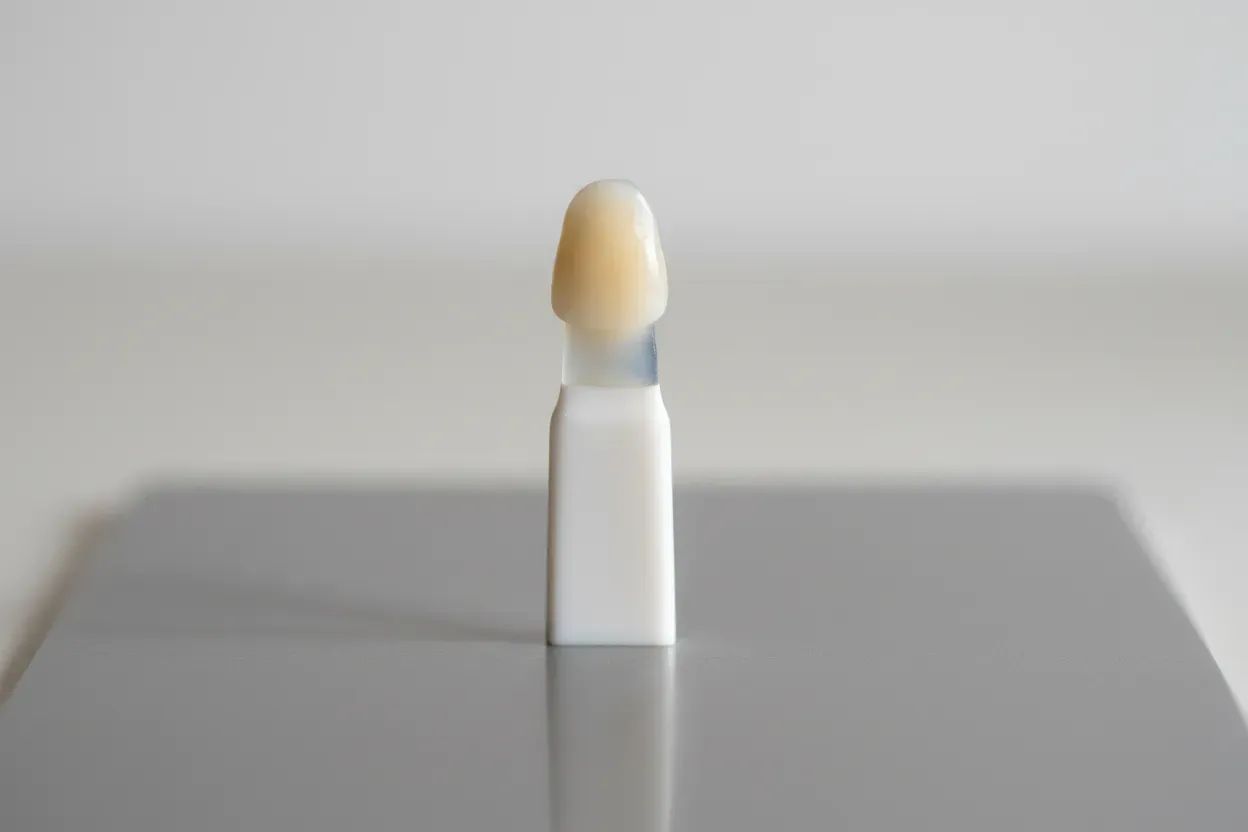
In anterior cases where shade and translucency are tricky, I focus shade selection on the surrounding teeth and then decide which part of the veneer needs added translucency so the restoration reads like a natural tooth in everyday light. The most important step has been clearly identifying and communicating to the lab which specific area of the veneer should be more translucent, rather than relying on a single overall shade label. That detail helps the technician build the restoration to match how a natural tooth shifts from the body to the edge. It also reduces surprises when the patient sees the result outside the operatory.
Send Standardized Pre-Dehydration Photo Set
Angela LeungImplant & Cosmetic Dentist, Fellow ICOI, Diplomate ICOI, AAID Associate Fellow · Angela Leung DDS PC
Good Day,
I don't rely on a written shade alone. The single step that made the biggest difference is sending the lab a standardized pre-dehydration photo set with the shade tab held in the same plane as the adjacent tooth.
In anterior implant restoration and other high, visibility cases, the problem is usually value and translucency, not just hue. If the tooth dehydrates for even a few minutes, it looks chalkier and brighter than it really is. So I take the photos early, with the patient upright, and I include one image in natural window light and one under operatory lighting. I also document stump shade and any incisal characterizations the ceramist needs to see, especially halo, edge translucency, or internal warmth.
That one change gave my lab much better information than a shade name alone and cut down on chairside adjustments and remakes.
If you decide to use this quote, I'd love to stay connected! Feel free to reach me at, drleung@angelaleungddspc.com and @angelaleungddspc.com
Choose Value First With 3D Guide
Value, or how light or dark a tooth looks, is the feature that people notice first at speaking distance. The 3D shade guides sort tabs by value before hue and chroma, which helps keep the match natural. Begin by choosing the correct value group under neutral light with a gray background.
Then refine chroma and hue within that group to avoid a flat or dull look. Confirm the choice with a quick try-in and adjust surface texture or glaze rather than jumping shades. Make value your first step with a 3D guide at your next shade selection.
Adopt Calibrated Spectrophotometer For Repeatable Data
Spectrophotometers give numeric readings for tooth color, which cuts down guesswork. They capture the light from the tooth across many wavelengths and report a repeatable shade. Best results come from a clean, hydrated tooth and neutral lighting.
The device must be calibrated and held flush to the surface to block stray light. The numbers can be saved in the chart and sent to the lab with a reference photo. Start using a calibrated spectrophotometer and record each reading in your next anterior case.
Share CIELAB Coordinates And Texture Notes
Sharing CIELAB values gives the lab clear targets for lightness and color direction. L star describes light to dark, a star maps green to red, and b star maps blue to yellow. Including these numbers reduces errors from camera settings or screen differences.
Using the same device and white balance each time makes the data more dependable. Notes on translucency, surface gloss, and characterization help the lab turn the numbers into a lifelike look. Send L a b values with photos and a brief texture note on your next work order.
Verify Match Under Multiple Light Sources
Metamerism can make a crown match in one light and miss in another, which frustrates patients. A standard check under simulated daylight, cool store light, and warm home light can prevent surprises. A light booth or a chair-side lamp with set modes can give these views in seconds.
Neutral walls, a gray drape, and no bright lipstick protect the test from color bounce. Final approval should come only after the shade looks right in all planned lights. Set up a simple three-light check and use it before you call the match final.
Assess Color Early On Moist Tooth
Tooth shade shifts fast when the enamel dries, making teeth look too light and less translucent. Shade selection should happen before long isolation, heavy air drying, or extended mouth opening. Keep the tooth moist with saliva or a drop of glycerin while you compare tabs.
Take short looks of a few seconds to avoid eye fatigue and cover the tooth with a wet gauze between views. If a procedure will dry the tooth, record the shade at the very start of the visit. Plan your appointment flow to capture the shade within the first minute today.