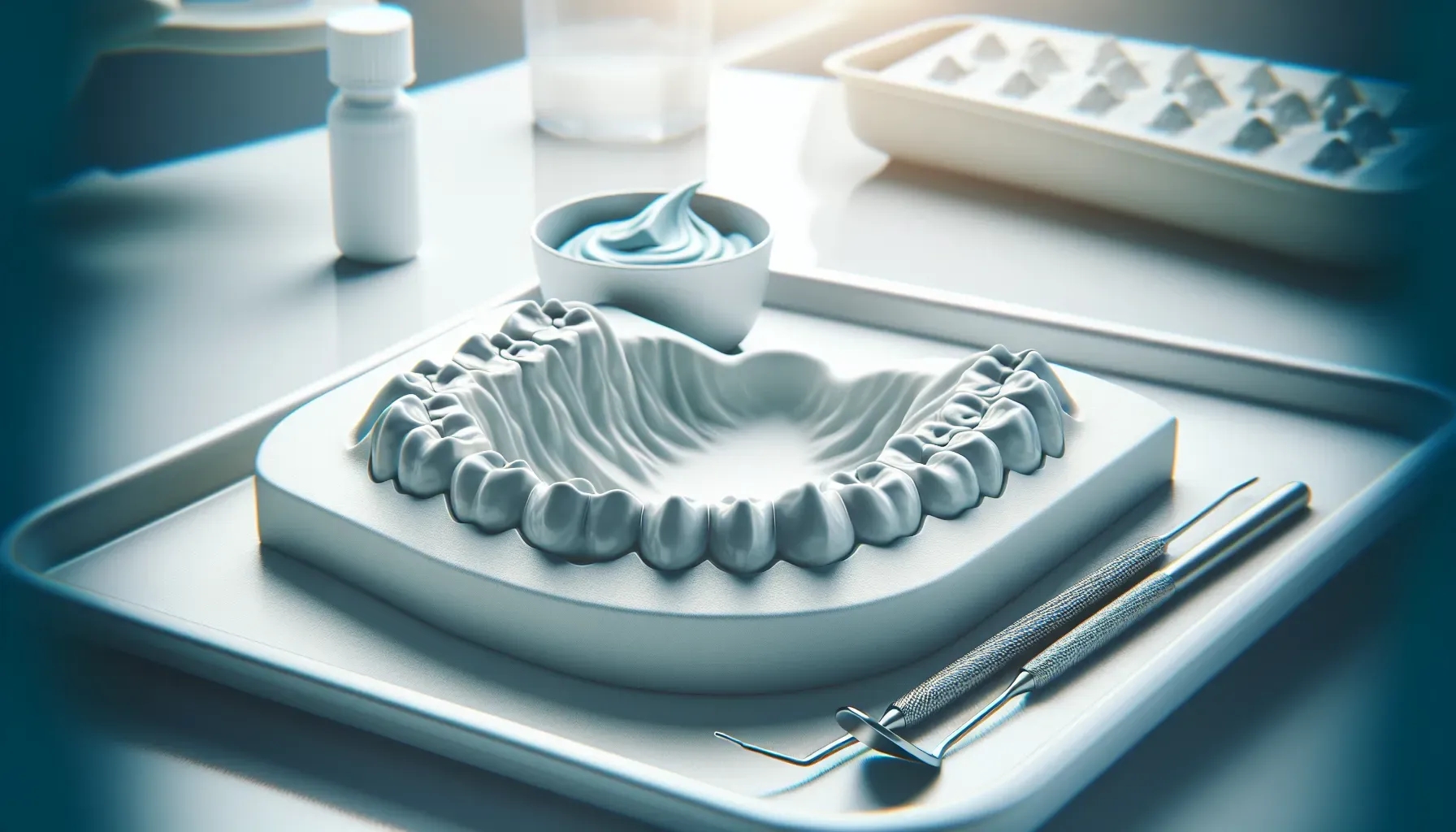
I'm a Harvard-trained orthodontist. Taking impressions is a very common task in our field. After more than 15 years of taking impressions, here are my tips for getting it right the first time:
1) Select the right tray size - Having a properly fitted tray ensures that you capture all the necessary anatomy. Before adding the impression material, try the tray inside the patient's mouth to make sure it covers all the teeth without touching them or being too loose. This also gives the patient a chance to try the tray before the impression material is added.
2) Avoid overloading the tray to minimize the patient's gag reflex - Gagging occurs when the impression material has low viscosity or flows out the back of the mouth. For alginate, ensure the correct water-to-powder ratio. Use enough material to capture everything needed, but not so much that it overflows posteriorly. The material should be applied smoothly and evenly across the tray to prevent voids or bubbles, which can lead to remakes.
3) Allow sufficient time - Let the material fully set according to the manufacturer's instructions; removing it prematurely will require you to start over. When it's time to remove the tray, break the seal of the teeth from the impression with a finger on the right and left posterior with a quick, firm motion. One sign of a good impression is a good seal when removing the tray.
4) Ensure the tray is centered and into the mouth enough - Confirm that the handle of the impression tray extends straight forward from the midline of the patient's face. This ensures the posterior teeth on each side do not contact the sides of the tray. Place the tray far enough into the patient's mouth so there is less than a centimeter between the front teeth and the tray.
5) Do post-impression review - Inspect the impression to confirm all needed details are captured, including the margins, soft tissues, and dental anatomy. If any issues are found, it's better to redo the impression than to send an incomplete or inaccurate model to the lab.
Technology in dentistry has come a long way. While impressions are still common, we've embraced digital scanners as well. They provide an accurate, comfortable alternative and reduce the need for retakes. Traditional impressions still have their place, however, especially when an alginate impression is needed for fast turnaround.