


Ankita Jain
Prioritize Safety With Tell Show Do
Ankita JainPediatric Dentist · Pediatric Dentistry of Fredericksburg
Every child is different, so my first goal is never to "get the treatment done." It's to help the child feel safe. When children feel they have some control and know what to expect, cooperation usually follows naturally.
One of the most effective techniques I use is called Tell, Show, Do. I explain what we're going to do using simple, friendly words, let the child see or touch the instrument if appropriate, and then gently perform the procedure. This removes much of the fear that comes from the unknown.
If a child arrives tearful, I avoid rushing. I often start by talking about their favorite cartoon, superhero, pet, or hobby instead of their teeth. Building a personal connection for even a minute or two can completely change the tone of the visit.
A phrase that works remarkably well is, "We're just going to count your teeth today. You can tell me if I miss one." Children love having a job to do, and it turns the visit into a game rather than something being done to them.
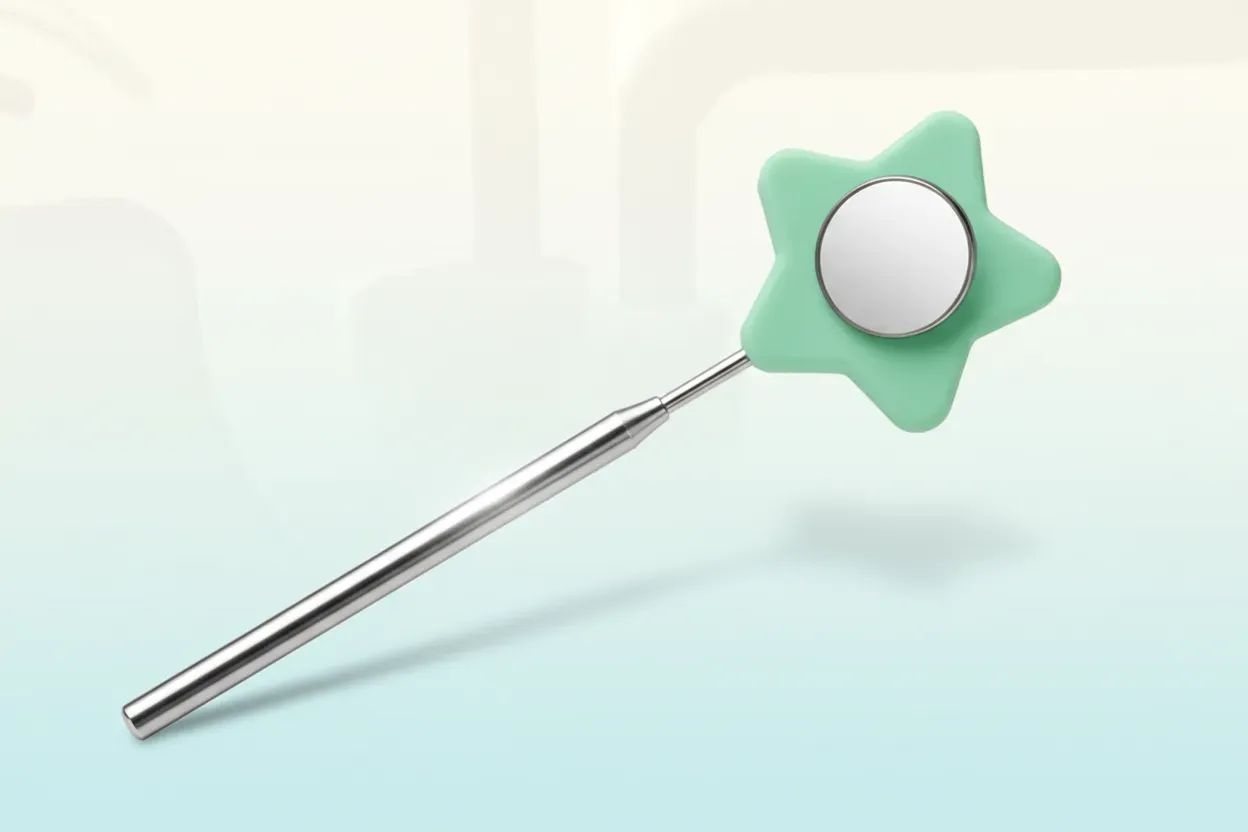
Sometimes, a simple setup change makes the biggest difference. Allowing a younger child to sit on a parent's lap for the initial examination or letting them hold a small mirror to watch what I'm doing can provide reassurance and reduce anxiety.
Positive reinforcement is equally important. I praise specific behaviors, such as opening wide or sitting still, instead of offering generic compliments. This helps children understand what they did well and encourages continued cooperation.
Sedation certainly has an important role for some children and procedures, but it is not my first step. In many cases, patience, child-friendly communication, and behavior guidance are all it takes to transform a fearful first visit into a positive experience. Those early positive memories often lead to a lifetime of healthy dental habits and confident smiles.
Clarify Steps With A Picture Schedule
A picture schedule shows what will happen and when, which lowers worry. Simple photos of the chair, the mirror, and the brush make each step clear. A small timer helps the child see that each step will not last long.
Moving a marker after each step adds progress they can see. Gentle praise at each checkpoint builds trust and pace. Print a short schedule with times and bring it to the next appointment.
Reinforce Success With A Sticker Chart
A sticker chart turns good moments into quick rewards that shape behavior. Goals should be clear, like keeping hands on the tummy or opening for a count of five. The sticker should come right away so the link feels strong.
Earning a set number can lead to a small prize chosen ahead of time. Caregivers and staff should use the same words and rules to avoid confusion. Create a simple chart and choose a prize together before the visit.
Redirect Attention With VR And Headphones
Bright videos or virtual reality can pull focus from fear and pain. Allowing the child to choose the show gives a sense of control. Wireless headphones block buzzing sounds and keep the room calm.
Short pause points in the video can match natural breaks in care. The team should check fit and clean devices to keep things safe. Try letting the child pick a favorite cartoon or VR scene before the next visit.
Calm Nerves With A Sensory Kit
Many children react to sound, touch, and light, so comfort tools can make care feel safe. Noise canceling headphones lower the whine of tools and let soft music play. A favorite toy, chewy, or a small weighted lap pad can give steady input that calms the body.
Dimming the light and using a mild flavor can prevent sensory overload. The team should ask consent and check that each item fits well and stays clean. Pack a small sensory kit and bring it to the next checkup.
Build Tolerance With Brief Stepwise Visits
Gradual steps can turn the clinic into a known place instead of a threat. Short visits that only include a hello and a chair ride build trust. The next steps can add a tooth count, a mirror touch, and a quick brush.
Practice at home with a timer and a flashlight helps the new steps feel normal. A progress chart keeps everyone aligned and shows wins. Book a brief practice visit and plan the next step together.